
www.oilgastechnology.com
29
'26
Written on Modified on
Umbilical-Less Subsea Completion in Deepwater Wells
Petrobras deployed the Halliburton Remote Operated Control System to eliminate conventional hydraulic umbilicals during deepwater well completions in Brazil.
www.halliburton.com
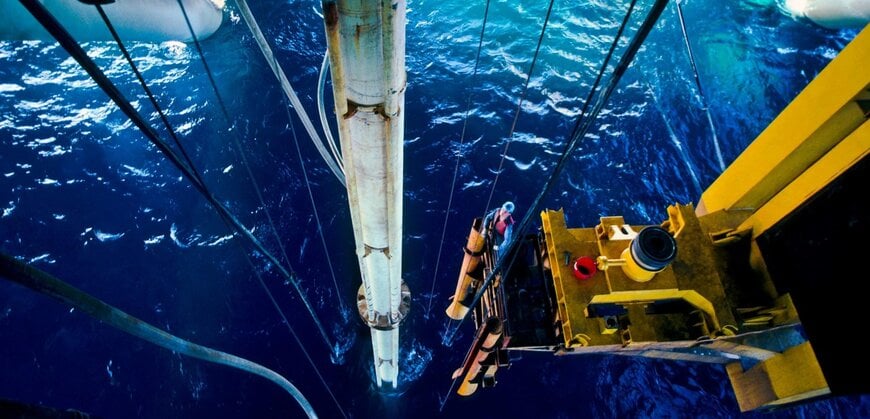
Halliburton and Petrobras collaborated to complete the first deployment of the Remote Operated Control System (ROCS) in Brazil for a deepwater smart completion operation. The implementation focused on the offshore energy sector, where operators require specialized digital infrastructure and subsea controls to lower operational footprint, improve deck safety, and streamline subsea tree and tubing hanger installations.
Operational Challenges in Deepwater Well Completions
Conventional offshore completion operations rely on top-drive or topside hydraulic umbilicals to actuate downhole safety valves and lock subsea tubing hangers into place. Running and handling these physical umbilical lines requires large reels, hydraulic power units, and high personnel deck exposure in congested moonpool environments. In ultra-deepwater conditions, umbilical handling adds hours of rig time, increases weight constraints on offshore vessels, and creates operational failure modes caused by line entanglement or pressure drops across long fluid paths. Addressing these integration complexities required direct engineering cooperation between subsea controls supplier Halliburton and field operator Petrobras.
System Architecture and Division of Responsibilities
The ROCS architecture removes the dedicated umbilical connection between surface controls and subsea infrastructure. The system houses hydraulic actuation capabilities and control logic in a modular subsea module deployed directly with the running tool string. Surface engineers communicate with the downhole control package via topside telemetry and subsea battery-powered or remotely operated vehicle (ROV) electric interfaces.
Responsibilities were divided across project phases:
Halliburton engineered the ROCS package, validated subsea control interfaces, and directed tool staging.
Petrobras established field-specific functional requirements, wellhead casing parameters, and integration interfaces for its smart completion architecture.
Offshore Deployment and Field Execution
The system underwent qualification testing and system integration testing prior to deepwater mobilization. Offshore technicians deployed the tool string from a floating rig in Brazilian offshore waters to install a subsea smart completion assembly. The umbilical-less configuration operated without topside hydraulic winches or clamping assemblies, freeing deck space and removing the mechanical tasks normally associated with managing lines along the landing string.
"As operators develop increasingly complex deepwater resources, they seek technologies that simplify operations and improve execution efficiency. This project demonstrates how ROCS can reduce offshore complexity and provide a practical approach to subsea completion operations," stated Timothy Horsfall, vice president, Testing and Subsea, Halliburton.
Impact on Offshore Operational Efficiency
Eliminating the umbilical reduces rig deck congestion, shortens critical path running times, and eliminates physical line-pinching hazards during deepwater installations. The technical demonstration validates remote-operated completion systems for multi-zone smart completions across offshore production environments.
Edited by Evgeny Churilov, Induportals Media - Adapted by AI.
www.halliburton.com
